-
Magic: the Gathering
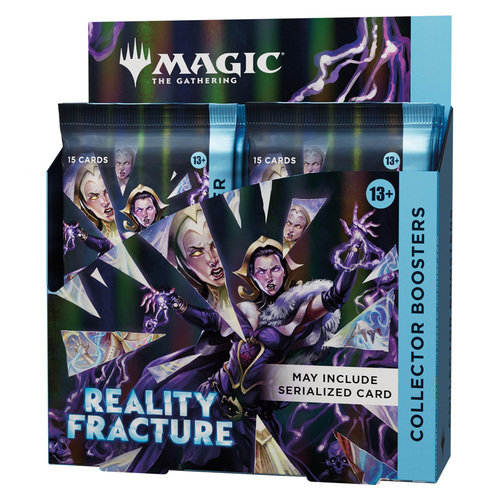
Last Expansions Reality Fracture The Hobbit Marvel Super Heroes Secrets of Strixhaven Teenage Mutant Ninja Turtles Lorwyn Eclipsed Avatar: The Last Airbender Marvel's Spider-Man Edge of Eternities FINAL FANTASY View all expansions...Categories Singles Tokens/Emblems Oversized Booster Boxes Boosters Bundles and Fat Packs Tournament Prerelease Packs Tins Complete Sets Preconstructed Decks View all categories...Reality Fracture Collector Booster Box
starting from $516.92 View all offers -
Yu-Gi-Oh!
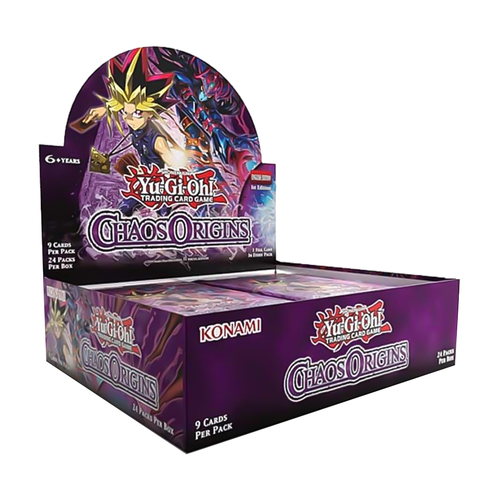
Last Expansions Chaos Origins Battles of Legend: Glorious Gallery Blazing Dominion Legendary Modern Decks 2026 Rarity Collection 5 Maze of Muertos Burst Protocol THE CHRONICLES DECK: Spirit Charmers (All-Foil Edition) Phantom Revenge Legendary 5D's Decks View all expansions...Categories Singles Oversized Booster Boxes Boosters Bundles Preconstructed Decks Starter Decks Tins Special & Deluxe Editions Dice View all categories...Chaos Origins Booster Box
starting from $87.43 View all offers -
Flesh and Blood
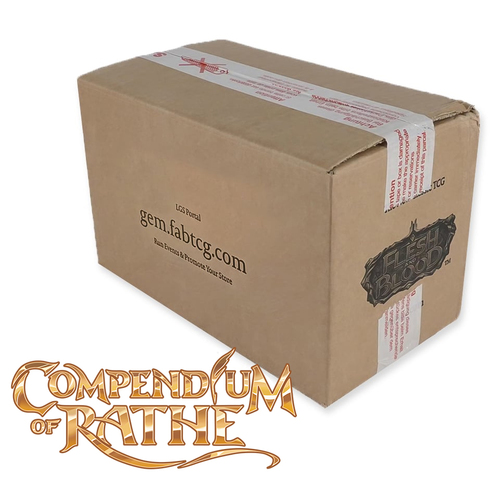
Last Expansions Mastery Pack: Warrior Omens of the Third Age Compendium of Rathe Super Slam Smash Palace High Seas The Hunted Rosetta Part the Mistveil Heavy Hitters View all expansions...Categories Singles Booster Boxes Boosters Preconstructed Decks Art Card Token Complete Sets Decks Displays Dice Playmats Box Set View all categories...Compendium of Rathe Case
starting from $591.27 View all offers -
Digimon
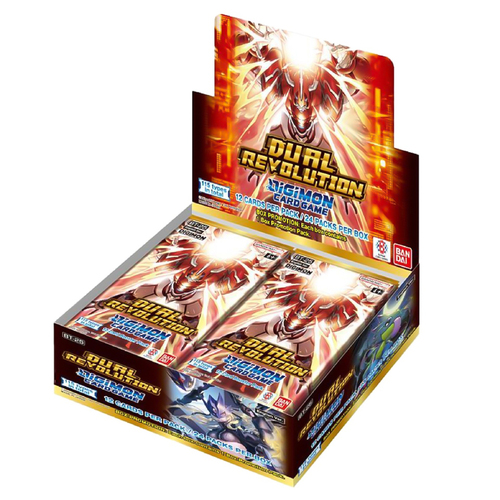
Last Expansions EX-12: Digital World Shambala BT-25: Dual Revolution EX-11: Extra Booster Dawn of Liberator BT-24: Time Stranger BT-23: Hackers' Slumber EX-10: Extra Booster Sinister Order BT-22: Cyber Eden EX-9: Versus Monsters BT-21: World Convergence Special Booster Ver 2.5 View all expansions...Categories Singles Memory Gauge/Tokens Booster Boxes Boosters Bundles and Pack Sets Starter Decks Playmats Albums Sleeves Deck Boxes View all categories...BT-25: Dual Revolution Booster Box
starting from $116.45 View all offers -
One Piece
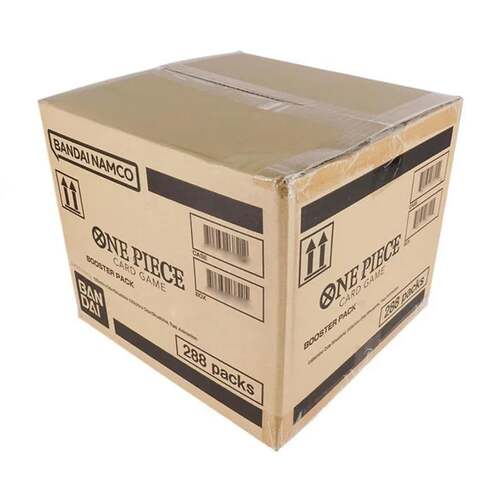
Last Expansions OP-16: The Time of Battle OP-15: Adventure on Kami's Island EB-03: Heroines Edition EB-04: Egghead Crisis OP-14: The Azure Sea's Seven OP-13: Carrying on his Will PRB-02: The Best 2 - Premium Booster OP-12: Legacy of the Master OP-11: A Fist of Divine Speed EB-02: Anime 25th Collection View all expansions...Categories Singles DON!! Booster Boxes Boosters Playmats Bundles & Sets Tins Starter Decks Memorabilia and Gadgets Albums View all categories...The Time of Battle Booster Box Case
starting from $2,956.39 View all offers -
Dragon Ball Super
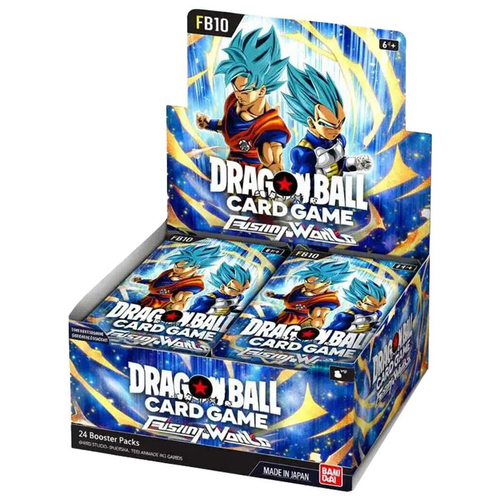
Last Expansions Fusion World: Cross Force Three Glorious Fighters Fusion World: Dual Evolution Fearsome Rivals Fusion World: Saiyan's Pride Fusion World: Manga Booster 02 Fusion World: Wish For Shenron Prismatic Clash Fusion World 1st Anniversary Set Fusion World: Manga Booster 01 View all expansions...Categories Singles Storage Boosters Sleeves Dice Albums Complete Sets Booster Boxes Starter Decks Deck Boxes View all categories...Fusion World: Cross Force Booster Box
starting from $243.91 View all offers
Binder Pages - Magic: the Gathering
Product search
Applied filters1
Availability
Expansion
color
number of slots
brand
Binder pages for Magic: The Gathering and trading cards
Protecting a card collection requires high-quality materials designed to withstand time and handling. Binder pages are the backbone of any organized library, allowing players and collectors to view their Magic: The Gathering singles safely. Whether you are archiving rare foils or organizing a trading folder, the choice of page impacts both the accessibility and the long-term value of your cards.
Professional storage solutions for every collection
The market offers a wide variety of configurations tailored to different needs. Standard 9-pocket pages remain the most popular choice for general organization, fitting perfectly into traditional 3-ring Albums. For collectors who prefer a more comprehensive view, 12-pocket pages are an excellent alternative, often used to display full playsets of four cards horizontally. Double-sided 18-pocket pages maximize space, allowing you to store a larger volume of cards in a thinner binder without sacrificing visibility. Many players also use these sheets to organize their Pokémon singles or other TCG assets.
Selecting the right loading style
One of the most important technical decisions involves the loading direction. Top-loading pages are traditional and easy to use, but they can occasionally allow cards to slide out if the binder is moved abruptly. Side-loading pages have become the professional standard because they provide a more secure seal, significantly reducing the risk of cards slipping or dust entering the pocket. Leading brands like Gamegenic and Ultra-Pro offer both styles, often featuring reinforced strips to prevent tearing at the ring holes during heavy use.
Materials and archival safety
To prevent chemical damage, it is essential to use pages made from polypropylene. High-quality pages are strictly acid-free and PVC-free. PVC contains plasticizers that can migrate onto the card surface over time, causing ink lifting or oily residue. Using archival-safe sheets ensures that your cards remain in their original condition for decades. This is especially crucial for high-value items like Yu-Gi-Oh! singles where condition directly dictates market price.
Buying guide for card protection
When selecting your binder pages, consider the total size of your collection and your frequency of use. If you frequently trade cards at events, look for heavy-duty sheets with reinforced edges. For those who want the highest clarity, look for extra clear versions that make foil patterns and artwork pop. If you already use Sleeves for your cards, ensure the pocket dimensions are standard size to accommodate the extra width of the protective plastic. For bulkier storage needs, you may also consider dedicated card storage solutions for your non-binder collection.
Domande frequenti
Are binder pages compatible with all 3-ring binders?
Yes, most standard 9-pocket and 18-pocket sheets feature a universal punching pattern that fits standard 3-ring and 4-ring albums.
Can I store sleeved cards inside binder pages?
Yes, most professional-grade pages are designed with slightly larger pockets specifically to accommodate cards already protected by standard sleeves.
What is the difference between polypropylene and PVC?
Polypropylene is a stable, archival-safe plastic, while PVC contains chemicals that can damage card ink and surfaces over long periods of time.

1