-
Magic: the Gathering
Last Expansions Zhalfir Kamigawa: Titanbreach Star Trek Reality Fracture The Hobbit Marvel Super Heroes Secrets of Strixhaven Teenage Mutant Ninja Turtles Nauctis: The Sunken Realm Lorwyn Eclipsed View all expansions...Categories Singles Tokens/Emblems Oversized Booster Boxes Boosters Bundles and Fat Packs Tournament Prerelease Packs Tins Complete Sets Preconstructed Decks View all categories...Star Trek Collector Booster Box
starting from $578.92 View all offers -
Yu-Gi-Oh!
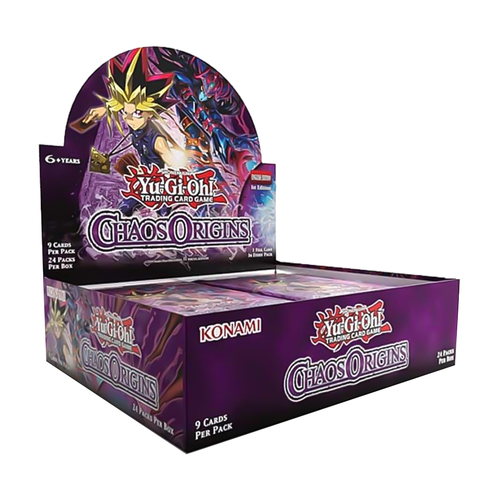
Last Expansions Beyond the Brave Magnificent Monsters Chaos Origins Battles of Legend: Glorious Gallery Blazing Dominion Legendary Modern Decks 2026 Rarity Collection 5 Maze of Muertos Burst Protocol THE CHRONICLES DECK: Spirit Charmers (All-Foil Edition) View all expansions...Categories Singles Oversized Booster Boxes Boosters Bundles Preconstructed Decks Starter Decks Tins Special & Deluxe Editions Dice View all categories...Chaos Origins Booster Box
starting from $88.33 View all offers -
Flesh and Blood
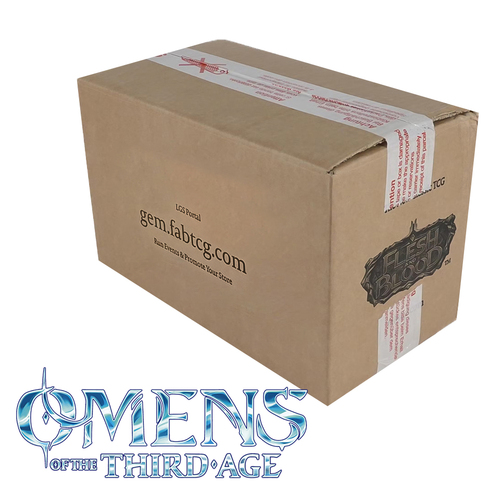
Last Expansions Usurp the Shadow Throne Mastery Pack: Warrior Omens of the Third Age Compendium of Rathe Super Slam Smash Palace High Seas The Hunted Rosetta Part the Mistveil View all expansions...Categories Singles Booster Boxes Boosters Preconstructed Decks Art Card Token Complete Sets Decks Displays Dice Playmats Box Set View all categories...Omens of the Third Age Box Case
starting from $398.43 View all offers -
Digimon
Last Expansions EX-13: Chivalrous XIII BT-26: Timeless Bonds EX-12: Digital World Shambala BT-25: Dual Revolution EX-11: Extra Booster Dawn of Liberator BT-24: Time Stranger BT-23: Hackers' Slumber EX-10: Extra Booster Sinister Order BT-22: Cyber Eden EX-9: Versus Monsters View all expansions...Categories Singles Memory Gauge/Tokens Booster Boxes Boosters Bundles and Pack Sets Starter Decks Playmats Albums Sleeves Deck Boxes View all categories...EX-12: Digital World Shambala Booster
starting from $115.36 View all offers -
One Piece
Last Expansions EB-05: Heroines Edition Vol.2 OP-17: The World's Strongest Warriors OP-16: The Time of Battle OP-15: Adventure on Kami's Island EB-03: Heroines Edition EB-04: Egghead Crisis OP-14: The Azure Sea's Seven OP-13: Carrying on his Will PRB-02: The Best 2 - Premium Booster OP-12: Legacy of the Master View all expansions...Categories Singles DON!! Booster Boxes Boosters Playmats Bundles & Sets Tins Starter Decks Memorabilia and Gadgets Albums View all categories...Heroine Edition Vol.2 Booster Box Case
starting from $3,321.13 View all offers -
Dragon Ball Super
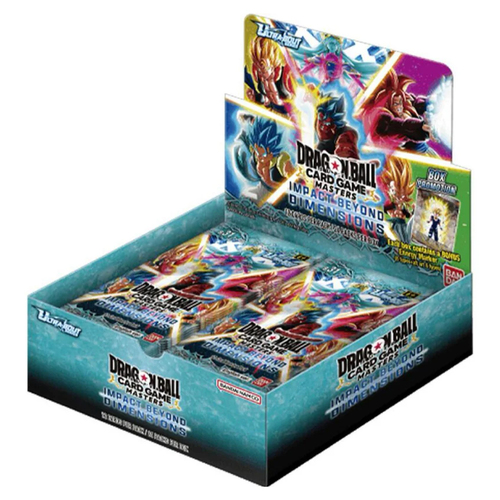
Last Expansions Fusion World: Story Booster 01 Impact Beyond Dimensions Fusion World: Cross Force Three Glorious Fighters Fusion World: Dual Evolution Fearsome Rivals Fusion World: Saiyan's Pride Fusion World: Manga Booster 02 Fusion World: Wish For Shenron Prismatic Clash View all expansions...Categories Singles Storage Boosters Sleeves Dice Albums Complete Sets Booster Boxes Starter Decks Deck Boxes View all categories...Impact Beyond Dimensions
starting from $162.52 View all offers



Dice - Pokémon
Product search
Applied filters1
Availability
Expansion
brand
sides
background color
text color
Pokémon dice and damage counters for competitive play
Pokémon Trading Card Game (TCG) gameplay relies heavily on accessories to manage the flow of battle, and dice are among the most versatile tools available to players. While traditionally used as randomizers for coin flips, dice have become the standard method for tracking damage on Pokémon in play. This category features a vast assortment of dice sets sourced from various Pokémon products, ranging from standard acrylic sets found in Elite Trainer Boxes to high-end collectible versions. Using dice instead of flat cardboard counters allows for better visibility and faster math during intense tournament matches.
Types of Pokémon dice and their uses
Official dice sets are often categorized by their material and origin. Most players are familiar with the translucent or solid-colored acrylic dice included in Pokémon bundles. These usually come in sets of seven: six small dice for tracking damage and one larger coin-flip legal die with rounded edges. For those looking for a more premium experience, the Pokémon Center occasionally releases metal dice sets, which offer a heavier feel and increased durability. These premium items are often sought after by collectors who want to coordinate their gaming gear with specific expansions like Astral Radiance or the iconic 151 collection.
Guide to choosing the right dice set
When selecting dice for your game, consider both functionality and aesthetics. If you are a tournament player, you must ensure your large die is randomizer legal, meaning it is typically clear or translucent so that no weights or biases can be hidden inside. For casual play, themed dice from expansions like Black Bolt or Temporal Forces allow you to match your damage counters to your Pokémon sleeves or playmat. Collectors often target Ultra-Premium sets, which feature unique colors and finishes not found in standard retail releases. Some dice even feature etched symbols instead of standard pips to represent specific energy types or legendary characters.
Organizing your TCG accessories
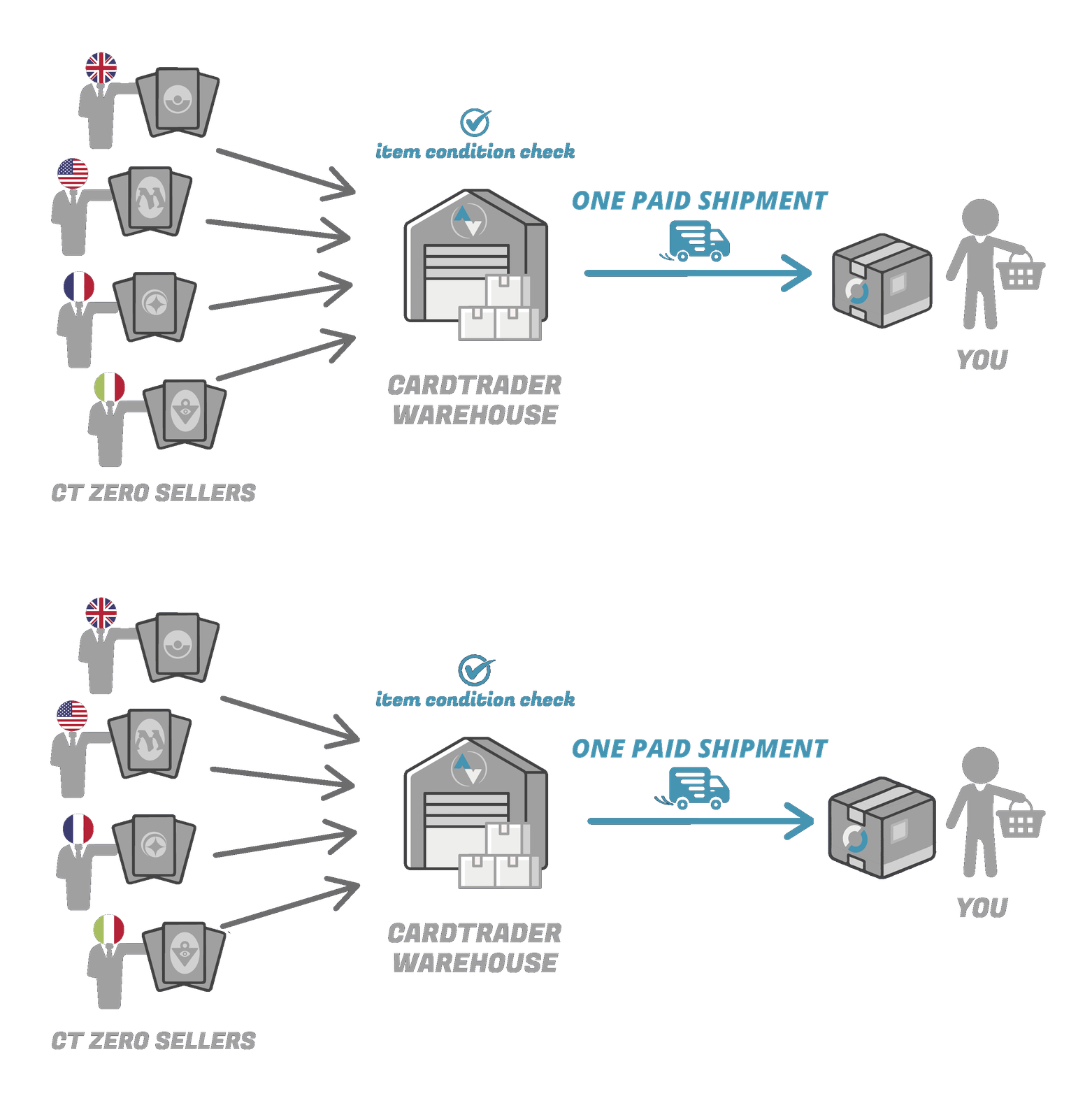
Keeping your dice organized is essential for quick setup during matches. Many players pair their dice with dedicated Pokémon deck boxes that feature built-in compartments for accessories. Whether you are looking for a simple set of damage counters or a rare commemorative set from a special release, the marketplace offers options for every budget and style. By utilizing the Shop Optimizer, you can find all the necessary tools to complete your competitive kit while saving on shipping costs by combining orders from different sellers into one package.
Domande frequenti
Are these dice legal for official Pokémon TCG tournaments?
Yes, most small dice used as damage counters are perfectly legal, but the large die used for coin flips must meet specific transparency and symmetry requirements set by Play! Pokémon.
What is the difference between standard dice and damage counter dice?
Damage counter dice are typically smaller (12mm) and sold in sets of six to track HP loss, whereas the randomizer die is usually larger (16mm) and used for coin-flip effects.
Do metal dice damage cards?
No, as long as they are handled carefully, though their weight can potentially dent cards or playmats if dropped heavily, so using high-quality Pokémon playmats is recommended.

1